
JOIN the Cattle Creek Confluence Coalition
Defend the Cattle Creek Confluence from irreversible, large-scale development and preserve one of Garfield County’s last critical open spaces.
Take Action now
Connect with Us

Why This Land Matters
This is more than just land—it’s a living system.
The Cattle Creek Confluence is where Cattle Creek and the Roaring Fork River meet—an ecologically rich corridor that sustains bald eagles, heron rookeries, elk and deer herds, foxes, migratory birds, and trout. This land sustains riparian habitat, and is vital for biodiversity, wildlife migration, clean water, and community well-being. Recent growth in the valley has had negative consequences for quality of life.
Stop The Urbanization of Cattle Creek
Harvest Roaring Fork LLC, a Texas-based developer, proposes 1,500 residential units, plus 375 Accessory Dwelling Units, 55,000 square feet of commercial space and a 120-room hotel on 283+/- acres at the confluence of Cattle Creek and the Roaring Fork River. This project, a small urban city along the banks of an invaluable stretch of the Roaring Fork River, would jeopardize our already compromised traffic flow, threaten water quality, disrupt wildlife habitat and destroy the rural character of unincorporated Garfield County.
Once it’s gone—it’s gone for good.
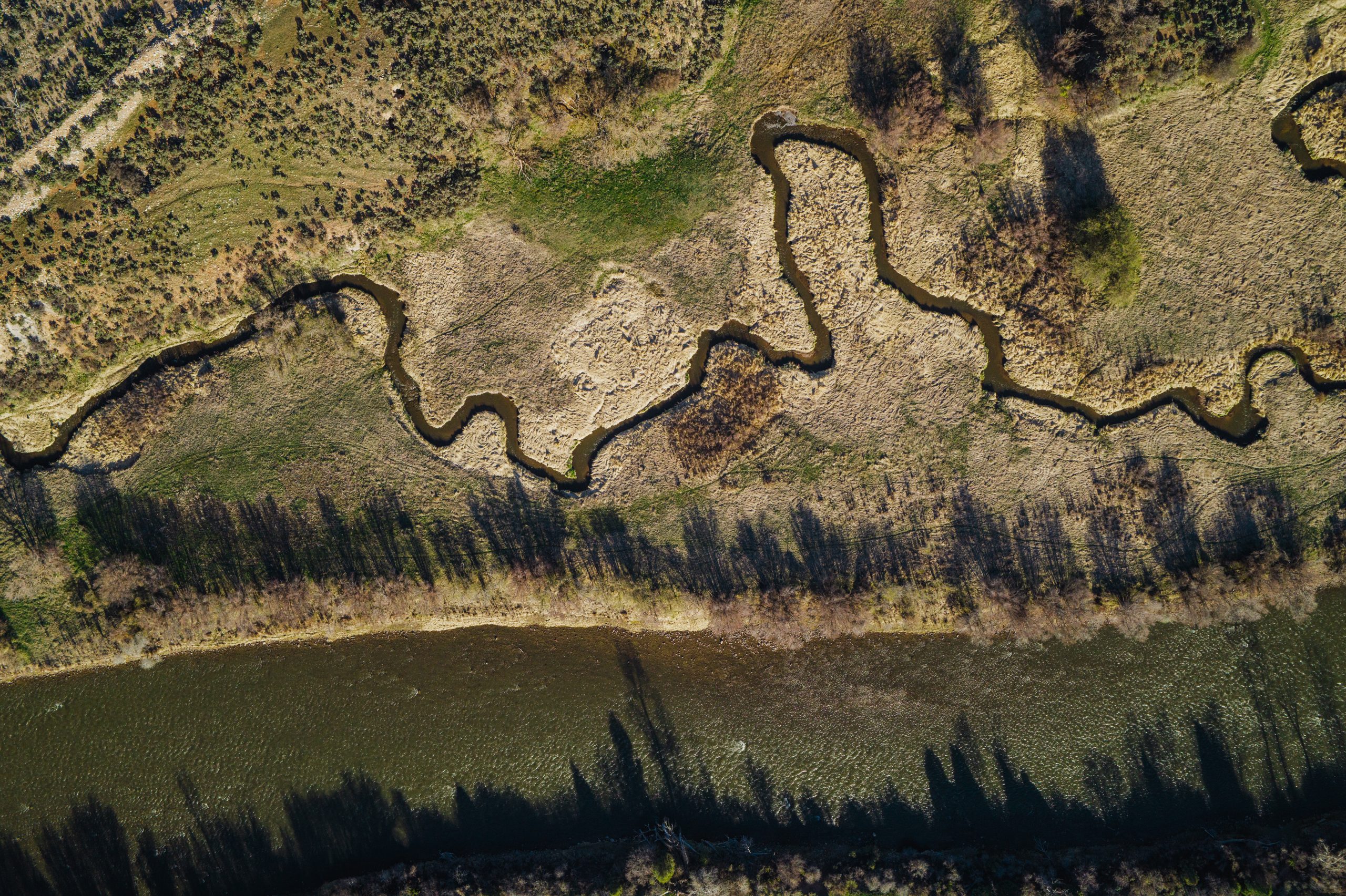
Cattle Creek Tributary

Our Mission...Preserve Rural Garfield County
Our mission is to preserve the natural beauty, ecological integrity and surrounding landscape of the Cattle Creek confluence with the lower Roaring Fork River by advocating for responsible land use, protecting wildlife habitat and migration, fostering a strong community voice against unsustainable development, and ensuring a safe and vibrant land for future generations.
“What you do makes a difference and you have to decide what kind of difference you want to make.” ~Jane Goodall~
Our Top Concerns
At the heart of our opposition are serious concerns about the future of our community, our safety, our quality of life, our wildlife, and our watershed. Here’s what’s at risk:
Housing and Density
After reviewing the referral comments, the developer’s response to those comments, and updates to Garfield County, it is clear that the developer has made no commitment to any number of affordable housing units or any pricing for affordable housing units except for the 150 units required by the Garfield County Land Use and Development Code. Even with respect to those required units, the developer is proposing to increase the rental amounts that would be permitted under the Land Use and Development Code.
Traffic & Infrastructure Overload
Harvest Roaring Fork’s proposed development is expected to generate over 12,000 vehicle trips per day, exclusive of construction traffic, adding some 50% more trips per day to existing Highway 82 traffic. With two new access points requiring two new traffic lights on Hwy 82, this traffic surge raises major concerns for safety, emergency response, and long-term congestion. On top of this, development related construction traffic projected to continue until at least 2042 will further strain the area’s highway infrastructure and severely exacerbate congestion on Grand Avenue in Glenwood Springs. Garfield County’s rural roads and limited transit systems are not equipped to handle the cumulative impacts of this development.
The developer’s Traffic Assessment (Exhibit I to the Application) appears to significantly underestimate the potential traffic impacts. The Traffic Assessment acknowledges an increase of 11,936 per day over a current baseline of 26,000 – 29,000 average vehicle trips per day. However, it fails to take into consideration up to 375 proposed Accessory Dwelling Units that can be up to 1200 square feet each; it assumes 225 affordable dwelling units which generate the smallest number of vehicle trips per day of any residential category, whereas the developer proposes only 150 affordable housing units; it assumes a 90-room hotel whereas the developer proposes a 120-room hotel; it assumes 50,000 square feet of commercial space whereas the developer proposes 55,000 square feet of commercial space; it assumes that of that commercial space; 40,000 square feet will be for a “strip retail plaza” whereas the developer proposes restaurants and cafes, which generate significantly greater daily vehicle trips. It fails to even mention the impacts of at least 17 years of construction traffic.
Without any supporting empirical data, the traffic assessment claims “As residents of this housing development would otherwise still need to live somewhere if this project were not constructed, many of these residents would instead likely live further north and/or along the I-70 corridor to the east or west. This project will provide housing closer to employment and will thereby reduce the amount of vehicle miles traveled for these residents by eliminating travel through the City of Glenwood Springs.
Construction traffic alone will undeniably create substantially greater congestion in Glenwood Springs during the 17-20 year build out of this project. This, coupled with the needs of thousands of new residents to access grocery stores, medical services, restaurants, shopping, banking, recreational activities, and related daily necessities will be far more likely to create gridlock on Grand Avenue than reduce traffic impacts.
Despite this reality, the developer claims: “No other undeveloped land parcel has the same degree of potential to alleviate traffic congestion.” This contention conflicts with the developer’s own Traffic Assessment and a logical evaluation of the impacts of some 5,000 new residents (Garfield County assumes an occupancy of 2.6 residents per unit).
Strain on Emergency & Community Services
The proposed development would add thousands of new residents without a corresponding investment in fire protection, law enforcement or emergency medical services. This raises serious concerns about response times in the event of wildfire, medical crisis, or structural emergencies. Without new infrastructure, this growth will overwhelm already stretched public safety resources and put both new and existing residents at greater risk.
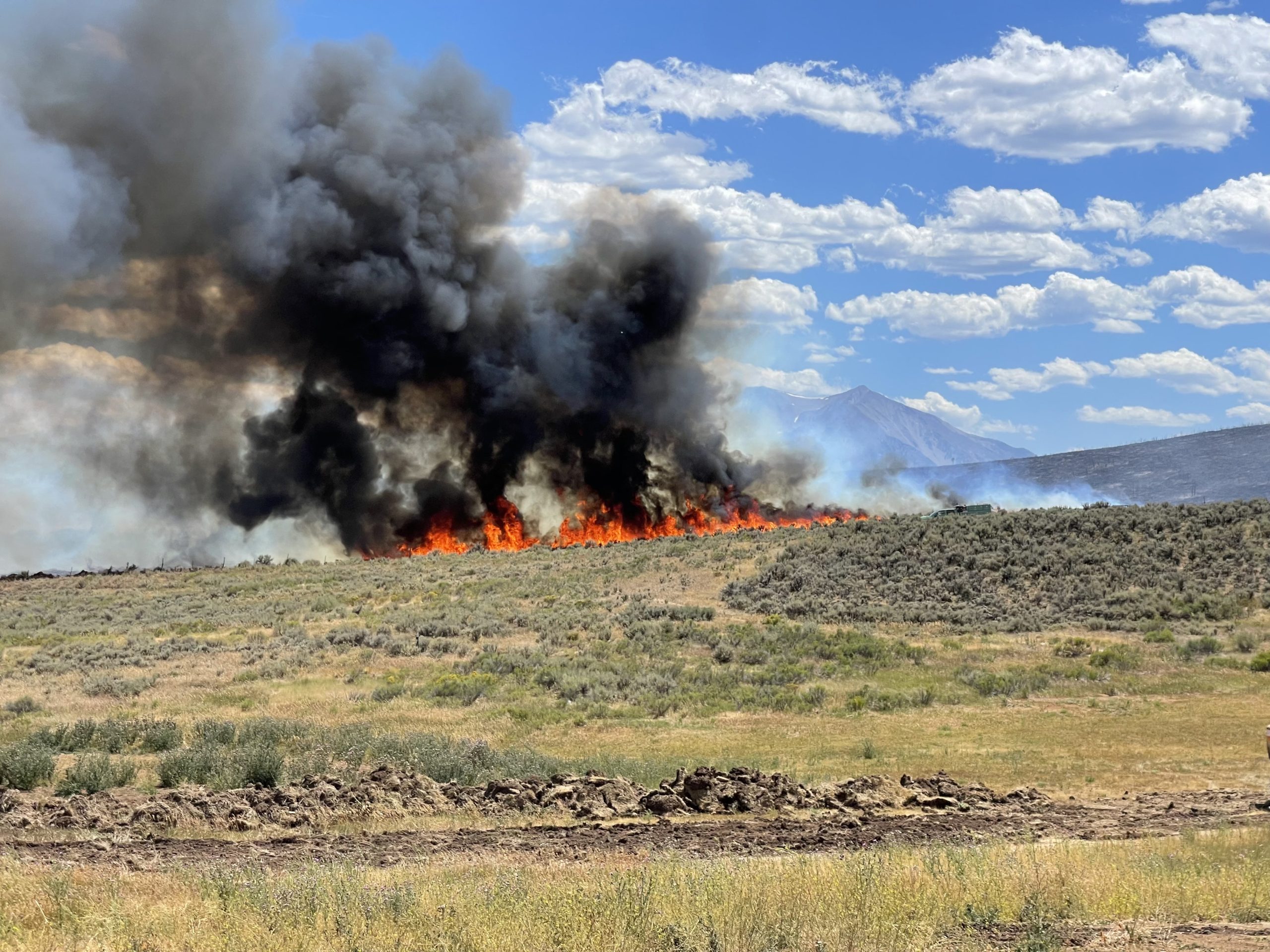
Incompatible with County Planning, Density, & Height
The underlying zone district for the property is Residential-Suburban (RS), which requires 20,000 square feet of land for each dwelling unit. According to the Garfield County Land Use Code, this Zone District is to be “…comprised of low-density suburban residential uses developed to maintain rural character.” This extremely dense, urban development will destroy the rural character of our community. Locating it in a sensitive area like Cattle Creek defies land-use guidance, erodes community trust, and sets a dangerous precedent for future development in fragile zones.

Wildlife Corridor + Migration Disruption
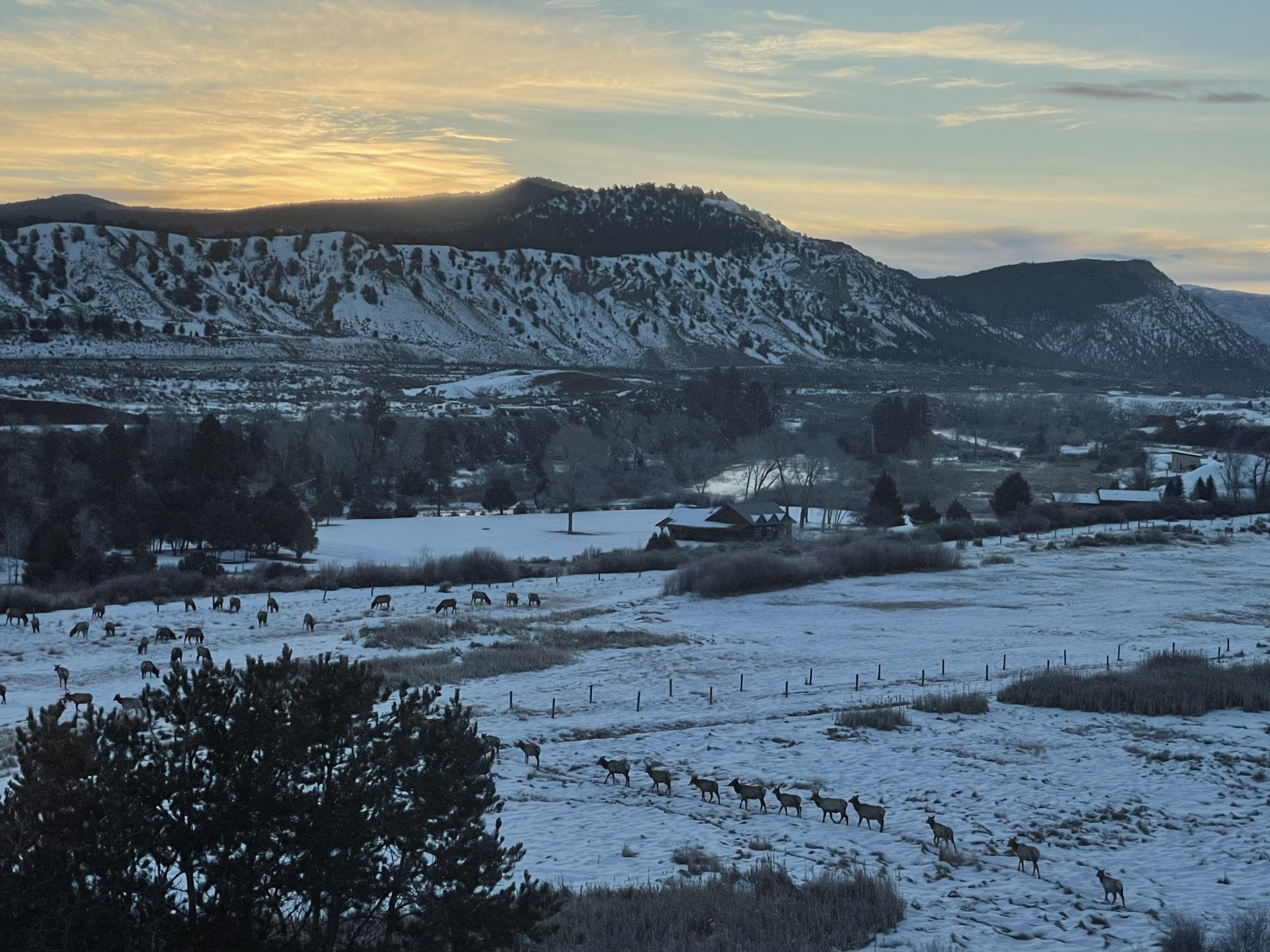
Wildlife—including elk, deer, bald eagles, herons, migratory birds, foxes, and black bears—will be displaced by this development. This land is essential for feeding, migration, nesting, breeding and calving. The property sits within a known wildlife migration corridor, and the scale of disruption would cause irreversible habitat fragmentation, forcing wildlife into unsafe or unsuitable areas and breaking essential ecological connections that have existed for generations.
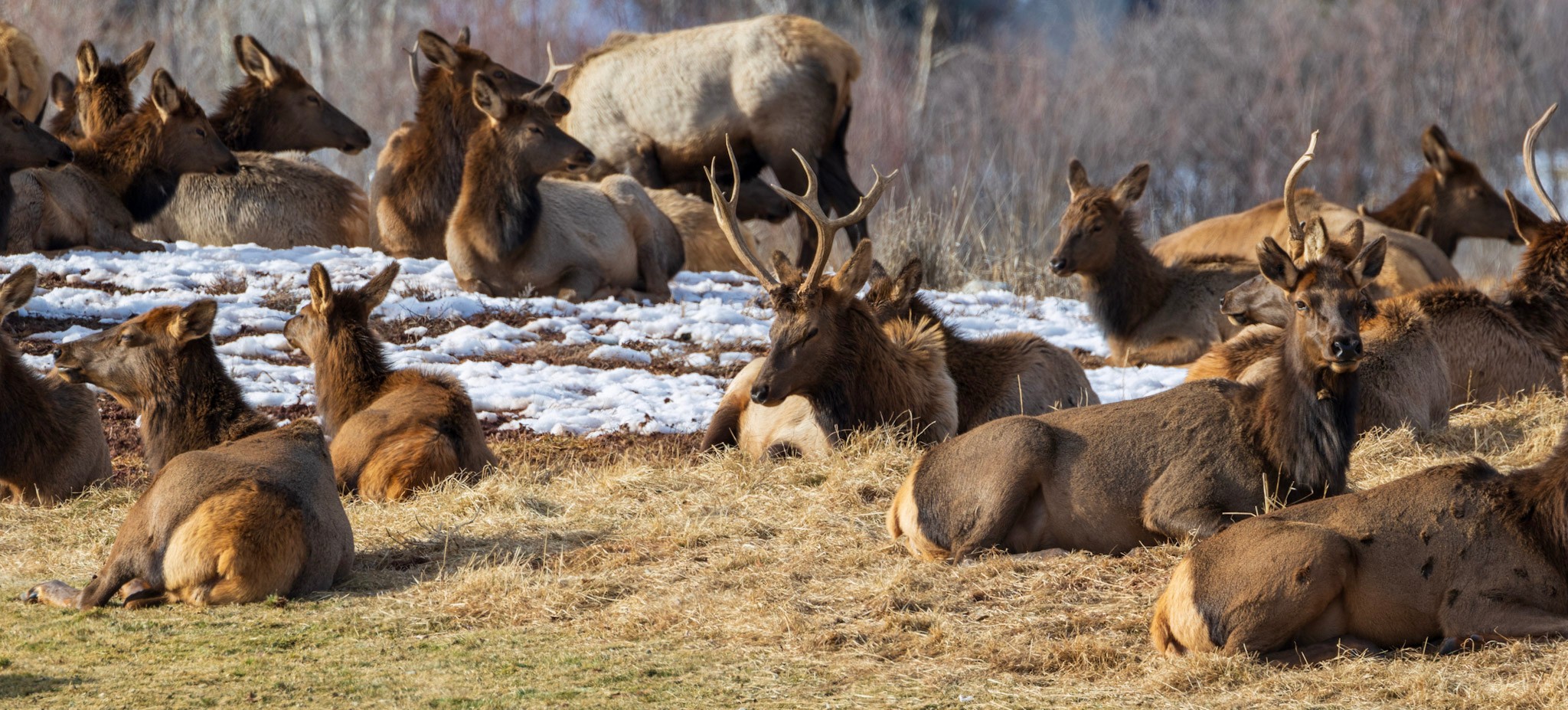
Photo Courtesy of Steven Harding
Light Pollution and Nocturnal Disruption
Dark, open skies are a defining characteristic of Garfield County’s rural identity—and critical for nocturnal wildlife that rely on natural darkness for feeding, hunting, and mating. A development of this size will introduce large-scale artificial lighting from homes, streetlamps, parking lots, and commercial signage. This light pollution doesn’t just dim the night sky—it confuses migratory birds, disrupts predator-prey cycles, and alters the behavioral patterns of sensitive species, shifting the entire ecological balance.

Photo Courtesy of Steven Harding
Impacts of Conserved Property/Open Space
The Developer touts the Harvest Roaring Fork project as a “Conservation Community.” The Developer claims the proposed development “minimizes environmental impacts.” The development claims “A 54-acre easement along the river and Cattle Creek demonstrates our commitment to stewardship, conservation, and community engagement, fostering a relationship with nature alongside development.” The developer states it will be “dedicating over 25% of the land to conservation over spaces and trails throughout the project and along the Roaring Fork River.” The developer does not explain how the surrounding environment, the 54-acre conservation easement, Cattle Creek and the Roaring Fork River and associated wildlife can be protected from almost 2,000 new units and thousands of new residents.
Threats to Water Resources
This project significantly strains limited natural resources. Water availability in the lower Roaring Fork watershed is already stressed, and this large-scale development will almost certainly lead to severe pollution (including nitrates, calcium chloride, chemical contaminants, sediment runoff), and degradation of riparian zones.
The Application proposed no drainage, grading, or storm water retention plans for the roads, parking areas, commercial buildings, fertilized/herbicide treated lawn areas, or the overall development on the site. The Developer’s Engineering Report (Exhibit E to the Application) merely states: “… common engineering practice suggests that properties directly adjacent to or in close proximity to the ultimate receiving water body should release storms above the water quality storm directly to the receiving body.” The “receiving body” is, of course, the Roaring Fork River. Thus, as submitted, the Applicant proposes to funnel drainage and all its myriad pollutants directly into the Roaring Fork River.
Loss of Rural Character & Scenic Integrity
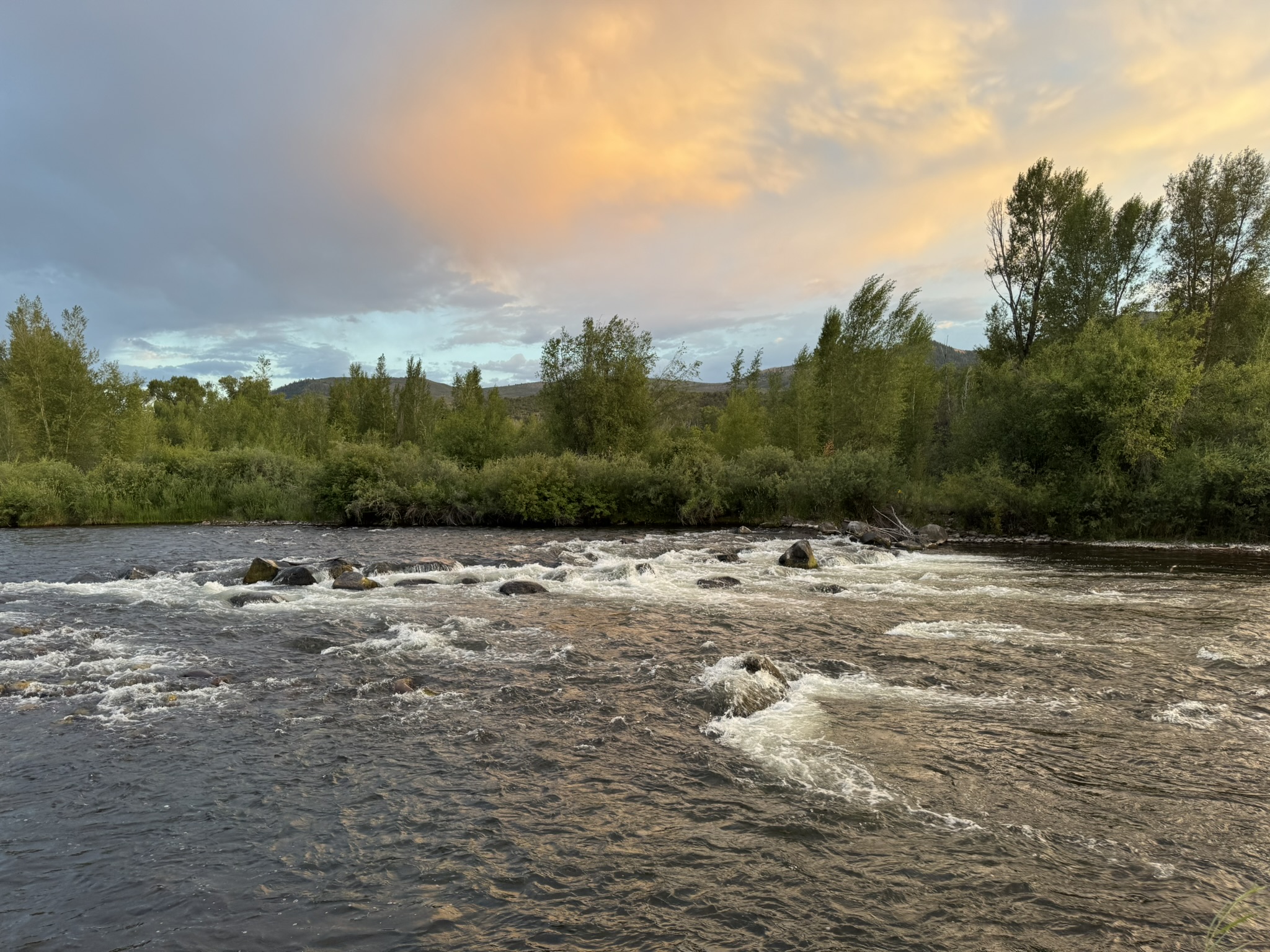
Cattle Creek is a gateway into one of Garfield County’s most beloved natural corridors. Replacing open land, wildlife habitat, and agricultural space with a dense, urban-style development will permanently change the visual and cultural fabric of this valley. The scale of this proposal —high-density housing, commercial business, and a 120-room hotel—disrespects the region’s history, ecology, and the generations of families who have ranched and stewarded this land responsibly.
“You cannot get through a single day
without having an impact on the world around you.”
The Land Needs Us Now!
If we lose this land to an unsustainable development, it’s forever gone.
Our tenure as a Coalition starts now; and we want to assure you all that we are all engaged and ready to Preserve our Valley. Are you with us?
Write the County Commissioners
Decision-makers need to understand how this project threatens the safety, resources, and quality of life for both residents and wildlife. Your perspective can make a real difference.
Join the Coalition
We need voices, ideas, and action from people who care deeply about this place. Join us in pushing back against irresponsible development and shaping a better future for our land, wildlife, and community.