
Resistance
Why We Resist the Harvest Roaring Fork Development
The Cattle Creek Confluence Coalition strongly opposes the proposed development by Harvest Roaring Fork LLC, a mixed-use development by Silverado Interests and Realty Capital. The plan to build a town on 283 acres near the confluence of Cattle Creek and the Roaring Fork River poses a serious threat to the ecological, cultural, and rural integrity of our region. This massive project would forever alter the natural landscape, overburden local infrastructure, and endanger the safety and quality of life for wildlife and residents alike. Our opposition to growth is a call for responsible, community-minded land use that puts long-term sustainability before short-term profit.
*NOTE: We the coalition have made every effort to present accurate information to the best of our abilities using research assembled from multiple sources and experts including studies and documents provided by the current developer, county resources, third-party resources, and historical documents from the previous failed development attempts of this land. We care passionately about the accuracy and details we are sharing, but we encourage everyone to pursue their investigation to formulate their own thoughts and concerns about this development.*
Density
The proposed development is Massive in scale: 1500 residential units plus up to 325 Accessory Dwelling Units; 55,000 square feet of commercial space; and a 120-room hotel. Altogether the project is proposed to result in 6.1 million square feet of development on approximately 220 developable acres. This would truly be a small city with density far in excess of the densities of surrounding developments. For comparison purposes, the following figures show the size of developments in the surrounding area, all of which consist of far lower density often on larger parcels in terms of acreage:
Ironbridge 292 units on 310 acres, plus a 223 acre golf course = one unit per 1.7 acres.
Aspen Glen:643 units on 938 acres (including the golf course) = one unit per 1.45 acres
Teller Springs: 21 houses + 11 Accessory Dwelling Units on 160 acres = 1 housing unit per 5 acres,
WestBank Ranch: 100 units on 142 acres = one unit per 1.42 acres.
WestBank Mesa: 63 units on 281 acres = one unit per 4.46 acres.
Harvest Roaring Fork: 1,500 housing units + 450 Accessory Dwelling Units, + 55,000 sq. ft commercial space and a 120-room hotel on 283 acres = 9units per acre
Such increased population density also intensifies wildfire risk. The region lacks adequate emergency services such as fire stations and medical facilities to support such rampant growth. Simply put, our existing infrastructure will be overwhelmed by this project.
Traffic, Fire & Public Safety Concerns
This development would dramatically increase traffic on Highway 82, especially at the already dangerous Cattle Creek and Thunder River intersections. According to the developer’s traffic projections, the site would generate some 12,000 additional vehicle trips per day. The developer’s traffic study appears to understate the actual traffic by failing to take into consideration up to 325 Accessory Dwelling Units, the proposed 120 room hotel (as opposed to a 90-room hotel used in the study), and by overstating the number of housing units that traffic engineers consider to generate less traffic than the other unit types. The study does not account for construction traffic to the site which will potentially exist until 2042 and beyond. Such increased traffic volumes will result in increased commuter times plus frustration for the traveling public and worsening air quality. The existing infrastructure is not equipped to safely absorb this level of vehicular traffic, leading to increased accidents and fatalities, longer emergency response times and the likely inability to safely evacuate in the event of a wildfire or other emergency.
Water Quality and Resource Availability
This project will significantly strain limited natural resources. Water availability in the lower Roaring Fork watershed is already stressed, and this large-scale development could lead to depletion of the water supply in surrounding wells and ditches, pollution, runoff, and degradation of riparian zones. At this point it is uncertain what water rights will provide the potable water for this development.
Wildlife & Habitat at Risk
The proposed development would drastically disrupt the vital ecosystems of the Roaring Fork Valley. Wildlife—including migratory birds, elk, deer, bear, mountain lions, coyotes, and wild turkey—depend on the seasonal habitats and corridors that crisscross this property. This land is essential winter and summer range for both mule deer and one of the area’s few remaining elk herds. Dense housing and commercial development here would fragment their habitat, obstruct migration routes, and jeopardize breeding and calving grounds. The entire ecosystem risks collapse when its most vulnerable species are displaced. This topic remains under critique by CCCC. Please look for updates.

Photo Courtesy of Steven Harding
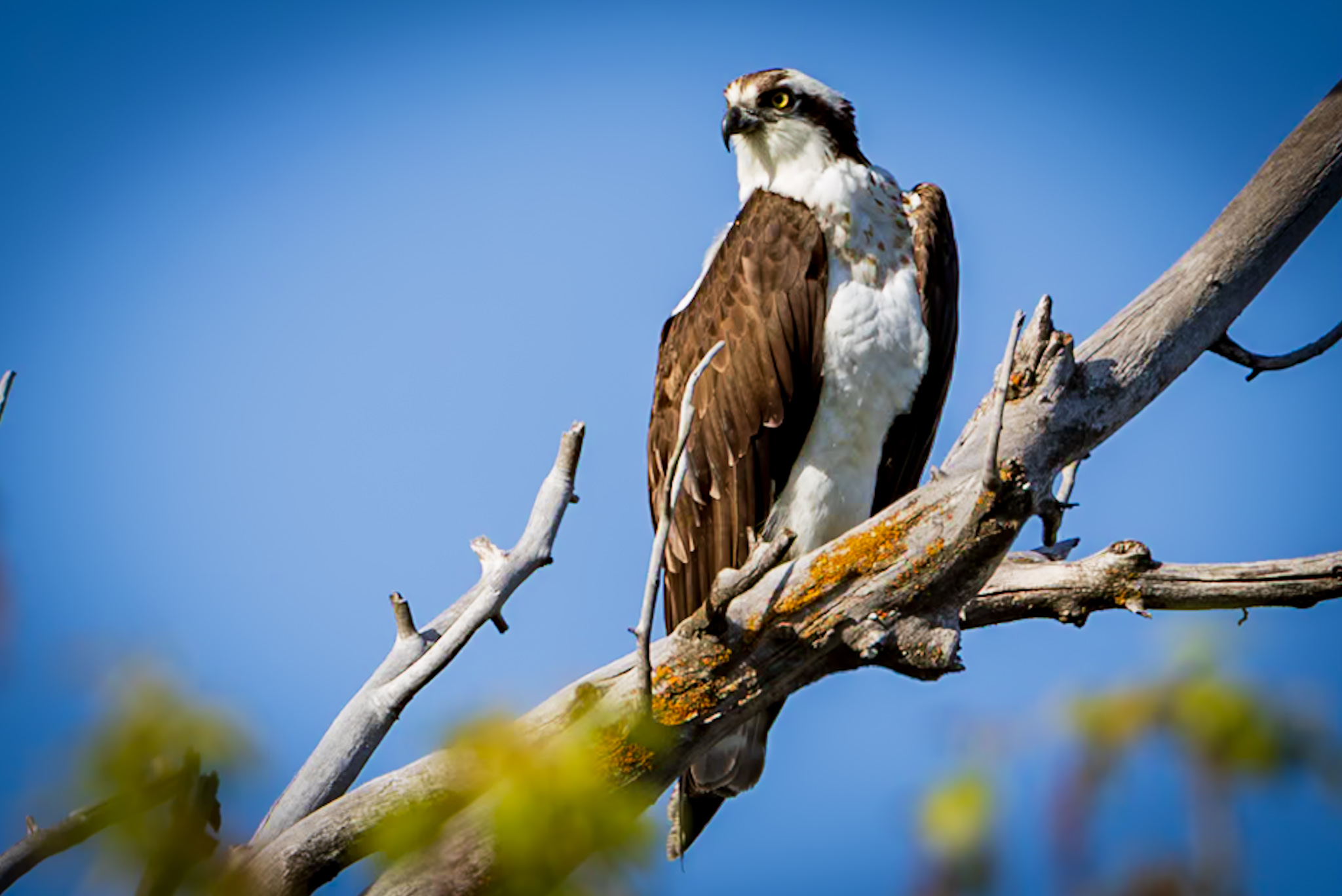
Photo Courtesy of Steven Harding

Incompatible with Rural Land Use & Garfield County Plans
The proposed density of development is fundamentally incompatible with the existing land use and rural character of the area. This region has long been valued for its quiet landscapes, open spaces, and agricultural heritage. The scale and scope of this urban-style project threatens to override the values outlined in Garfield County’s comprehensive land use plans. We believe in smart, measured growth that respects the history, geography, and sustainability of our region. This plan is the opposite.
Light, Noise, & Visual Pollution
A project of this magnitude will bring bright commercial lighting, round-the-clock noise from traffic and construction, and visual disruption to a currently serene landscape. The dark skies that define our rural nights will be replaced with the glow of commercial spaces, parking lots and housing clusters. This kind of light and noise pollution disrupts both human well-being and wildlife behavior. Once this rural viewscape is lost, it can never be restored.
Building heights are proposed to be substantially greater than those allowed in the underlying zone district creating an urbanized sky-line akin to the Willits Development along Highway 82 in Basalt. The viewplane of the project from Highway 82 will be one of a sprawling tightly packed urban landscape with multi-family buildings as much as 65-feet tall, or taller, and a hotel that could extend to 80-feet in height.
Local voices must be heard before decisions are made that permanently impact the land we live on.